Mental Health Coloring Pages: Free Printable Ideas for Stress Relief, Mindfulness, and Emotional Wellness
Mental health is an important part of overall well-being, and taking small breaks to relax, express emotions, and practise self-care can make everyday life more manageable. One simple creative activity that people of different ages can enjoy is coloring. Mental health coloring pages combine creativity with positive messages, calming patterns, and thoughtful illustrations that encourage relaxation, mindfulness, and emotional awareness.
These pages can feature encouraging words, nature scenes, mandalas, breathing exercises, positive affirmations, and illustrations about feelings. Children can use them to learn about emotions, while teenagers and adults may enjoy them as a quiet activity during a busy day. Teachers, parents, counsellors, and community organisations can also use suitable coloring activities to introduce conversations about emotional well-being.
Coloring is not a treatment for mental health conditions, but it can be an accessible recreational activity that some people find calming. It offers an opportunity to slow down, focus on a simple task, and enjoy creative expression without needing advanced artistic skills.
This guide explores different types of mental health coloring pages, their potential benefits, printable design ideas, and practical ways to use them at home, in classrooms, and in supportive settings.
Key Takeaways
- Mental health coloring pages combine creative expression with themes such as self-care, mindfulness, emotions, and positive thinking.
- Children can use simple designs to identify feelings and learn healthy ways to communicate.
- Teenagers may enjoy affirmations, stress-awareness designs, and creative journaling activities.
- Adults can explore mandalas, nature illustrations, and detailed patterns as relaxing hobbies.
- Coloring can encourage present-moment attention, although its effects differ from person to person.
- Free coloring and activity books are available from organisations such as the National Institute of Mental Health.
- Coloring is a supportive activity, not a substitute for professional mental health care.
- A comfortable environment and freedom to choose colours can make the experience more enjoyable.
1. What Are Mental Health Coloring Pages?
Mental health coloring pages are printable or digital illustrations designed around emotional wellness, positive thinking, self-care, and mental health awareness. They usually contain outlines, patterns, pictures, or words that people can colour using pencils, crayons, markers, or digital tools.
Unlike ordinary coloring sheets that focus only on animals, cartoons, or objects, these pages may include themes that encourage people to think about their feelings and personal well-being.
Common examples include:
- Positive affirmation coloring sheets.
- Mindfulness mandalas.
- Stress-relief patterns.
- Emotional awareness illustrations.
- Self-care activity pages.
- Inspirational quotes.
- Nature and peaceful scenery.
- Mental health awareness designs.
- Breathing and relaxation activities.
- Gratitude-themed illustrations.
The purpose is to make creative expression accessible. People do not need to be professional artists or produce perfect artwork. They can choose colours, experiment with patterns, and enjoy the process at their own pace.
How Are They Different From Regular Coloring Pages?
Regular coloring pages may focus mainly on entertainment or artistic practice. Mental health-themed pages add a wellness-related topic or message.
For example, a regular flower illustration may simply show a plant with petals and leaves. A mental wellness version might include the words “You Are Growing” or a short reflection about personal progress.
Similarly, an illustration of a person sitting quietly may encourage a conversation about taking breaks, breathing slowly, or recognising emotions.
2. Benefits of Using Mental Health Coloring Pages
Coloring is a simple activity, but it can offer several enjoyable ways to spend time and engage creatively. Its usefulness depends on individual preferences, the setting, and the person’s emotional needs.
2.1 Encourages Relaxation
Some people find repetitive creative activities relaxing because they provide a break from screens, busy schedules, and everyday responsibilities.
Choosing colours and filling shapes can create a gentle routine that does not require complicated decisions.
A person might spend a few minutes colouring flowers, geometric shapes, or a peaceful landscape. The activity can become a quiet moment between work, study, or household tasks.
2.2 Supports Mindfulness
Mindfulness involves paying attention to the present moment without immediately judging thoughts or experiences.
Coloring can encourage this kind of attention when someone focuses on the movement of a pencil, the colours being selected, or the details of an illustration.
The Mayo Clinic Health System explains that coloring may help people practise mindfulness by directing attention toward the activity and away from surrounding distractions. <Cite refs={[“turn388411search6″,”turn388411search3”]}/>
2.3 Encourages Creative Expression
Not everyone feels comfortable explaining emotions through conversation or writing. Creative activities can provide another way to express personal preferences and ideas.
A person might choose bright colours for an energetic mood or softer shades for a peaceful scene. These choices do not have fixed psychological meanings, but they can make the activity more personal.
2.4 Introduces Positive Affirmations
Affirmations are encouraging statements that people may use as reminders of personal values, self-kindness, or resilience.
Coloring pages can include messages such as:
- I am learning every day.
- My feelings matter.
- I deserve kindness.
- It is okay to take a break.
- I can ask for help.
- Progress takes time.
- I am more than one difficult day.
These statements can create opportunities to discuss self-respect and emotional well-being. They should feel realistic and supportive rather than demanding that someone remain positive all the time.
2.5 Creates Opportunities for Conversation
Parents, teachers, and counsellors can use coloring pages as conversation starters.
For example, a child colouring a picture of different facial expressions might be invited to name emotions such as happiness, frustration, sadness, or excitement.
The activity should not become a test. People should be allowed to colour without explaining every choice or sharing private feelings.
2.6 Offers an Accessible Creative Hobby
Coloring requires relatively few materials. A printed page and a basic set of pencils or crayons may be enough.
People can choose simple designs, detailed patterns, or digital coloring applications according to their interests and abilities.
The University of Washington’s Right as Rain resource also notes that coloring may offer temporary relief and a structured creative activity, while emphasising that it is not a replacement for professional support when someone is dealing with more serious difficulties. <Cite refs={[“turn388411search3”]}/>
3. Popular Types of Mental Health Coloring Pages

Different designs can support different interests and age groups. Choosing a suitable page is often more important than selecting a complicated illustration.
3.1 Positive Affirmation Coloring Pages
<AsyncImage query=”positive affirmation adult coloring page you are enough flowers black white printable line art” aspectRatio=”5:4″ width=”100%”/>
Positive affirmation pages combine decorative lettering with flowers, stars, hearts, butterflies, or other illustrations.
Popular phrases include:
- You Are Enough.
- You Matter.
- Keep Growing.
- Choose Kindness.
- One Day at a Time.
- Believe in Your Journey.
- Your Story Matters.
These pages may be useful for personal reflection, classroom activities, or mental health awareness events.
3.2 Mandala Coloring Pages
<AsyncImage query=”intricate mandala black and white printable coloring page symmetrical floral geometric pattern” aspectRatio=”5:4″ width=”100%”/>
Mandala designs feature symmetrical patterns arranged around a central point. They may include circles, flowers, leaves, geometric shapes, and repeating decorative elements.
Some people enjoy mandala coloring because the repeated patterns provide a structured activity. Beginners can choose larger shapes, while experienced colorists may prefer detailed designs.
Research published in 2026 examined mandala coloring among hospitalised adults and reported possible improvements in anxiety and stress. However, the authors rated the certainty of evidence as low or very low for several outcomes, so the findings should be interpreted cautiously. <Cite refs={[“turn388411search8″,”turn388411search7”]}/>
3.3 Self-Care Coloring Pages
<AsyncImage query=”self care coloring page printable line art tea book plant candle bath flowers” aspectRatio=”5:4″ width=”100%”/>
Self-care coloring pages show activities that can encourage people to make time for themselves.
Illustrations may include:
- Reading a book.
- Drinking a warm beverage.
- Taking a walk.
- Gardening.
- Listening to music.
- Resting.
- Spending time outdoors.
- Writing in a journal.
These pages can be paired with simple prompts such as “What helps me feel comfortable?” or “What is one kind thing I can do for myself today?”
3.4 Emotional Awareness Coloring Pages
<AsyncImage query=”emotions feelings wheel coloring page black white printable children facial expressions” aspectRatio=”5:4″ width=”100%”/>
Emotional awareness pages help children and adults explore different feelings.
They may feature facial expressions, emotion wheels, weather symbols, or characters showing different moods.
Possible emotions include happiness, sadness, anger, worry, excitement, disappointment, confusion, and calmness.
These pages can be especially useful in educational settings where children are learning to identify and communicate feelings.
3.5 Nature-Themed Coloring Pages
<AsyncImage query=”peaceful nature adult coloring page forest trees mountains birds flowers black white line art” aspectRatio=”5:4″ width=”100%”/>
Nature illustrations are popular because they offer a wide range of shapes and colour choices.
Common designs include:
- Gardens.
- Trees.
- Mountains.
- Ocean waves.
- Butterflies.
- Birds.
- Flowers.
- Leaves.
- Rainbows.
- Sunsets.
People can use realistic colours or create imaginative designs. There is no requirement to follow the colours found in nature.
3.6 Breathing and Mindfulness Coloring Pages
These pages combine simple pictures with short instructions for mindful activities.
For example, an illustration of a flower might include a reminder to breathe in gently and breathe out slowly. A cloud illustration might encourage someone to notice thoughts without immediately reacting to them.
These activities should be comfortable and optional. Anyone who feels uncomfortable with a breathing exercise can simply colour the illustration instead.
4. Mental Health Coloring Pages for Kids
Children can use coloring activities to explore emotions, practise creative skills, and learn simple self-care ideas.
The best designs for younger children usually contain large shapes, clear illustrations, and limited text.
Recommended Designs for Children
- Smiling faces showing different emotions.
- Friendly animals with positive messages.
- A colourful feelings wheel.
- A tree with words about kindness.
- A picture of friends helping each other.
- A peaceful garden.
- A simple breathing flower.
- A gratitude jar.
- A picture about asking a trusted adult for help.
How Parents Can Use Coloring Activities
Parents can sit with children and colour together. They can ask gentle, open-ended questions without pressuring a child to discuss personal experiences.
Examples include:
- Which picture do you like most?
- What colours would you choose for a happy day?
- What helps you feel safe?
- Who can you talk to when you need help?
It is important not to assume that a child’s colour choices reveal a diagnosis or a specific emotional condition.
Free Children’s Resources
The US National Institute of Mental Health (NIMH) provides free coloring and activity books for children.
Its Stand Up to Stress! resource is designed for children aged 8–12 and introduces healthy ways to understand and manage stress. Another resource, Get Excited About the Brain!, introduces children to the brain and mental health through facts and activities. <Cite refs={[“turn388411search1″,”turn388411search15”]}/>
5. Mental Health Coloring Pages for Teenagers
Teenagers may enjoy designs that feel creative, modern, and relevant to their everyday experiences.
School responsibilities, friendships, changing routines, and social pressures can make emotional well-being an important topic during adolescence.
Suitable Coloring Ideas for Teens
- Inspirational quote designs.
- Detailed mandalas.
- Journaling and gratitude pages.
- Nature illustrations.
- Self-confidence messages.
- Healthy friendship themes.
- Stress-awareness worksheets.
- Positive reminders about asking for help.
Combine Coloring With Journaling
A coloring page can be followed by a short writing activity.
For example:
| Coloring theme | Optional reflection prompt |
|---|---|
| Positive thinking | What is one thing I appreciate today? |
| Friendship | What makes a friendship supportive? |
| Self-care | What helps me recharge? |
| Emotions | What feeling would I like to understand better? |
| Personal growth | What is one small goal I can work toward? |
Reflection should remain optional. Teenagers should be able to enjoy the artwork without feeling that every activity must become a personal discussion.
6. Mental Health Coloring Pages for Adults
Adult coloring pages often include more detailed patterns and illustrations than children’s designs.
They can be used as a creative hobby during free time, after work, or as part of a personal relaxation routine.
Popular Adult Coloring Themes
Detailed mandalas: Repeating patterns and geometric shapes.
Floral illustrations: Roses, leaves, gardens, and decorative plants.
Inspirational typography: Encouraging words combined with decorative lettering.
Nature scenes: Mountains, oceans, forests, and wildlife.
Self-care illustrations: Books, candles, cups, plants, and peaceful rooms.
Abstract patterns: Lines, circles, shapes, and repeating designs.
Adults can choose a short activity or spend more time completing a detailed page. There is no need to finish an illustration in one sitting.
7. Free Printable Mental Health Coloring Pages: Where to Find Them
People looking for printable designs can explore resources from health organisations, educational institutions, and creative websites.
The following options provide different types of materials.
| Resource | What you can find | Best suited for |
|---|---|---|
| National Institute of Mental Health | Stress and brain coloring activity books | Children |
| Sanford Fit | Mental health-themed printable pages | Teenagers |
| Mental Health Association Oklahoma | Children’s coloring and activity books | Children and families |
| University of Iowa | Mindfulness and wellness coloring activities | Classrooms and adults |
| I’m Glad You Stayed Project | Encouraging mental health messages | General audiences |
| Mental Health Foundation New Zealand | Mindful coloring template | Older children and adults |
Official and organisation-based resources can be useful starting points:
- National Institute of Mental Health: Stand Up to Stress! and other children’s coloring books. <Cite refs={[“turn388411search1″,”turn388411search4”]}/>
- Sanford Fit: Mental Health Coloring Pages. <Cite refs={[“turn388411search18”]}/>
- University of Iowa: Mindfulness Activities and printable coloring sheets. <Cite refs={[“turn388411search16”]}/>
- I’m Glad You Stayed Project: Free mental health coloring sheets. <Cite refs={[“turn388411search9”]}/>
- Mental Health Foundation New Zealand: Mindful Colouring Template. <Cite refs={[“turn388411search17”]}/>
Before printing or sharing materials, check the organisation’s usage terms. Some resources are intended for personal or classroom use and may have restrictions on commercial redistribution.
8. How to Use Mental Health Coloring Pages Effectively
Coloring does not need to follow a strict schedule. The goal is to make the activity comfortable and enjoyable.
Step 1: Choose a Design
Select an illustration that matches your interests.
If you prefer simple activities, choose large flowers or basic patterns. If you enjoy detail, try a mandala or an intricate nature scene.
Step 2: Prepare Your Materials
You may need:
- Printed coloring pages.
- Colour pencils.
- Crayons.
- Washable markers.
- A flat surface.
- A comfortable chair.
- A folder to store finished pages.
Digital coloring tools are another option for people who prefer using a tablet or computer.
Step 3: Create a Comfortable Environment
Choose a place where you can sit comfortably and focus on the activity.
Some people prefer quiet surroundings, while others enjoy soft background music. The best environment is the one that feels comfortable to you.
Step 4: Choose Colours Freely
There is no correct colour combination.
You can use realistic shades, bright colours, pastel tones, or imaginative combinations. Avoid treating colour choices as a psychological test.
Step 5: Take Your Time
You can colour for five minutes or longer, depending on your interest.
If you become tired or lose interest, it is fine to stop and return later.
Step 6: Reflect Only If You Want To
After completing a page, you may wish to write a few words about the experience.
For example:
- What did I enjoy?
- Which part was relaxing?
- Would I like to try another design?
- What other creative activity might I enjoy?
The reflection is optional. The activity is valuable as a hobby even without written analysis.
9. Mental Health Coloring Pages for Schools and Classrooms
Schools can use suitable coloring activities to introduce emotional wellness, kindness, and supportive communication.
Teachers may include them in classroom wellness sessions, art periods, or age-appropriate mental health awareness activities.
Classroom Activity Ideas
Feelings and colours: Students colour different facial expressions and learn words for emotions.
Kindness tree: Each leaf contains an example of a kind action.
Gratitude garden: Students colour flowers and optionally write something they appreciate.
Mindful mandala: Students spend a short period colouring a repeating pattern.
Support network illustration: Students identify trusted adults and supportive people in their lives.
Benefits for Teachers
Coloring activities can provide a low-pressure creative task and an opportunity to introduce wellness topics.
Teachers should avoid asking students to reveal private experiences in front of classmates. They should also avoid using artwork to diagnose emotional or mental health conditions.
If a student appears to be experiencing significant distress, the appropriate school support staff and safeguarding procedures should be involved.
10. Using Coloring Pages in Counselling and Support Settings
Counsellors and mental health professionals may use creative activities as optional tools during sessions.
A coloring page can help establish a comfortable activity, support a discussion, or provide a break between more demanding exercises.
However, ordinary coloring is not automatically art therapy. Art therapy is a professional mental health service delivered by appropriately trained and qualified practitioners.
Possible Uses in Support Settings
- Offering a quiet activity during a session.
- Exploring themes such as self-care and kindness.
- Introducing mindfulness concepts.
- Encouraging age-appropriate emotional vocabulary.
- Supporting group creative activities.
- Providing an optional activity between sessions.
Professionals should consider each person’s preferences, needs, accessibility requirements, and comfort level.
11. How to Create Your Own Mental Health Coloring Pages
Creating original coloring sheets can be an enjoyable project for teachers, parents, designers, and wellness organisations.
Select a Theme
Start with one clear idea, such as self-kindness, friendship, emotional awareness, or stress management.
Use Simple Outlines
Black-and-white line art is usually suitable for printing. Keep the outlines clear and provide enough open space for colouring.
Add a Supportive Message
Use short and realistic statements, such as:
- Small steps count.
- I can take a break.
- My feelings are important.
- Asking for help is okay.
- I deserve respect.
- I can learn at my own pace.
Consider the Age Group
Children may prefer large pictures and simple wording. Teenagers may prefer modern illustrations and detailed patterns. Adults may enjoy more intricate designs.
Test the Printable
Print a sample page before sharing it.
Check that the lines are visible, the design is not too crowded, and the page fits standard paper sizes such as A4 or US Letter.
Respect Copyright
Use original artwork or material with a suitable licence. Do not copy illustrations from commercial coloring books or redistribute another creator’s work without permission.
12. Digital vs. Printable Mental Health Coloring Pages
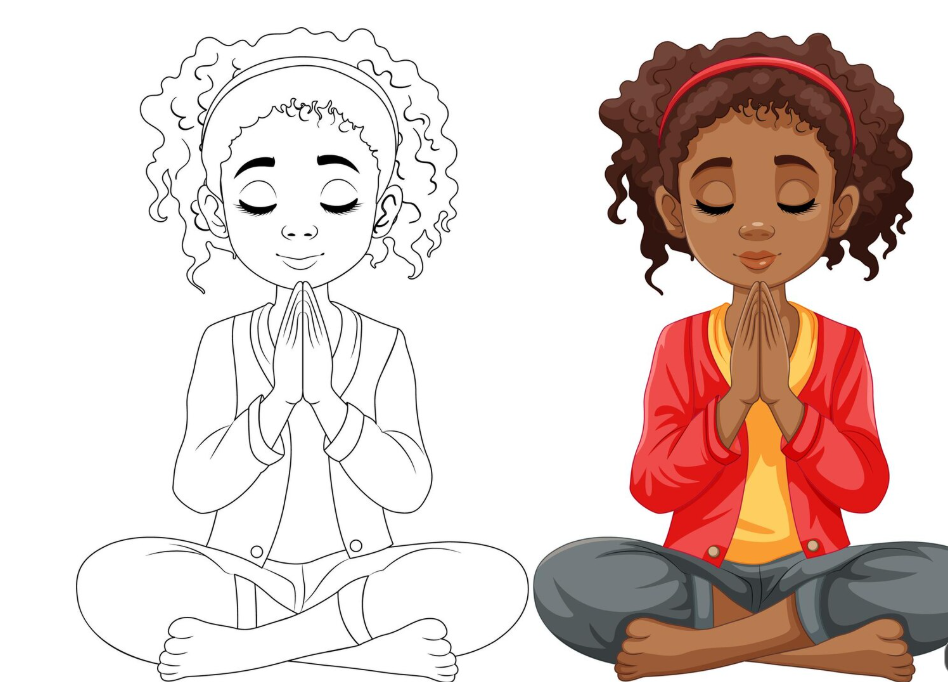
Both digital and paper-based coloring have advantages. The right option depends on personal preference and available materials.
| Feature | Printable pages | Digital coloring |
|---|---|---|
| Materials | Paper and coloring tools | Phone, tablet, or computer |
| Colour selection | Physical pencils or markers | Digital colour palettes |
| Reusability | Print another copy | Often reusable within the app |
| Portability | Depends on paper and supplies | Convenient on a device |
| Screen use | Little or none during coloring | Requires a screen |
| Creative experience | Physical drawing and colouring | Digital interaction |
| Cost | Printing and supplies may cost money | Apps may be free or paid |
Printable pages may appeal to people who enjoy physical materials and want a break from screens. Digital pages may suit those who prefer convenience or want to experiment with colours without using paper.
Neither format is automatically better for mental health. Personal enjoyment and comfort matter most.
13. Common Mistakes to Avoid When Using Mental Health Coloring Pages
A simple creative activity should remain supportive rather than becoming another source of pressure.
Expecting Immediate Emotional Changes
Coloring may feel relaxing to some people, but others may not notice a difference. Do not expect it to resolve difficult emotions immediately.
Treating It as Medical Treatment
Coloring pages cannot diagnose or treat depression, anxiety disorders, trauma, or other mental health conditions.
People experiencing persistent distress should consider speaking with a qualified mental health professional.
Forcing Participation
Not everyone enjoys coloring. Offer it as a choice rather than a compulsory activity.
Judging the Artwork
The purpose is not to create perfect pictures. Avoid comparing designs or criticising colour choices.
Using Inappropriate Messages
Statements such as “Just be happy” or “Stop worrying” can make people feel that difficult emotions are being dismissed.
Choose messages that acknowledge feelings and encourage patience, support, and self-kindness.
Ignoring Accessibility
Some people may find small patterns difficult to colour. Offer larger designs, clear outlines, high-contrast pages, or digital alternatives when appropriate.
14. Frequently Asked Questions (FAQs)
1. What are mental health coloring pages used for?
Mental health coloring pages are used as creative activities focused on emotional awareness, self-care, mindfulness, and positive messages. They can provide an enjoyable way to spend time and introduce conversations about mental well-being.
2. Do coloring pages help reduce stress and anxiety?
Some people find coloring relaxing and may experience temporary relief from stress. Research on mandala coloring has reported potential benefits, but the quality and generalisability of evidence remain limited. Coloring should not replace professional treatment when needed.
3. Are there free mental health coloring pages for kids?
Yes. The National Institute of Mental Health provides free children’s coloring and activity books, including Stand Up to Stress! for ages 8–12 and Get Excited About the Brain! Other educational and health organisations also offer printable resources.
4. What are the best mental health coloring pages for adults?
Popular choices include mandalas, floral patterns, nature scenes, self-care illustrations, abstract designs, and positive affirmation pages. The best option is the one you personally enjoy.
5. Can teachers and counsellors use mental health coloring pages?
Yes. Suitable coloring pages can be used as optional classroom activities or supportive creative exercises in counselling settings. They should not be used to diagnose students or replace professional mental health assessment and care.
| Read more: What Is Classical Education |