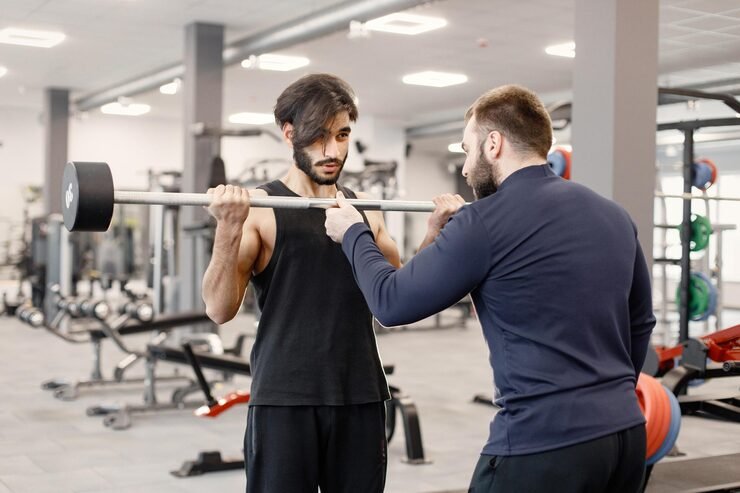
How to Choose a Personal Trainer for Weightlifting
Finding the right personal trainer for weightlifting can make strength training more structured, productive, and easier to understand. Whether you are completely new to resistance training or have already spent time in the gym, professional guidance can help you learn proper movement patterns, organize your workouts, and progressively develop strength. A qualified trainer can also adapt exercises to your experience, goals, available equipment, and individual abilities. Personal training programs are generally designed around a person’s specific goals and needs rather than using the same routine for everyone.
What Is Weightlifting Personal Training?
Weightlifting personal training is a specialized form of fitness coaching focused on resistance exercises using equipment such as barbells, dumbbells, kettlebells, machines, cables, and other training tools.
A trainer may help a client develop skills in movements such as:
- Squats
- Deadlifts
- Bench presses
- Overhead presses
- Rows
- Lunges
- Pulling movements
- Carry exercises
- Accessory exercises
The exact exercises depend on the individual’s goals. Someone interested in general strength may require a different program from someone preparing for a competition, improving athletic performance, building muscle, or returning to exercise after a long break.
A structured program can also help clients understand how training volume, resistance, repetitions, rest periods, and exercise selection work together.
Why Work With a Trainer for Weightlifting?
Learning how to lift weights can seem straightforward, but effective resistance training involves much more than simply moving heavier equipment. Exercise selection, technique, progression, recovery, and consistency all influence training outcomes.
A trainer can provide direct instruction and observe how an exercise is performed. This can be especially valuable when someone is learning technically demanding movements.
Research summarized by the American Council on Exercise indicates that supervised exercise and personal training can support exercise adherence and improvements in areas such as muscular strength and fitness.
Major Benefits
| Benefit | How It Helps |
|---|---|
| Technique instruction | Helps clients understand exercise mechanics |
| Personalized programming | Matches training with individual goals |
| Progress tracking | Makes improvements easier to monitor |
| Accountability | Encourages consistent workouts |
| Exercise selection | Creates balanced training sessions |
| Progression | Helps gradually increase training demands |
| Feedback | Provides immediate coaching during exercises |
Learning Proper Lifting Technique
Technique should be a major consideration when selecting a strength-training coach. A trainer should be able to explain an exercise clearly and observe movement throughout the set.
For example, when teaching a squat, a trainer may evaluate stance, balance, depth, trunk position, movement control, and the ability to maintain a consistent pattern. A deadlift may require attention to setup, positioning, bracing, and controlled movement.
The objective is not simply to lift the maximum possible weight. Good training involves selecting an appropriate resistance and developing control before increasing the challenge.
ACE’s resistance-training guidance describes progression toward external loads after clients have developed appropriate movement foundations.
Creating a Personalized Strength Program
A good trainer should begin by understanding the client’s objectives.
Common goals include:
- Building overall strength
- Increasing muscle size
- Improving body composition
- Developing athletic performance
- Improving muscular endurance
- Learning compound exercises
- Returning to regular exercise
- Becoming more confident with free weights
After identifying the goal, the trainer can create an appropriate program.
For example, a beginner might start with relatively simple movement patterns and gradually introduce more resistance. An experienced lifter may require a more sophisticated progression involving different training intensities and exercise variations.
Personalized programming is important because training ability differs significantly from one person to another.
What a Typical Training Session Looks Like

A weightlifting session does not have to consist entirely of heavy sets. A well-organized workout may include several stages.
1. Warm-Up
The session can begin with general movement and exercises designed to prepare the body for the planned workout.
2. Movement Preparation
The trainer may review specific movements that will be performed during the session.
3. Main Strength Exercises
The workout may then focus on one or more major resistance exercises.
4. Supporting Exercises
Additional exercises can target complementary muscle groups or movement patterns.
5. Cooldown and Review
The session can finish with recovery-focused activities and a discussion of progress or the next workout.
The precise structure should depend on the client’s program rather than following one universal routine.
How a Trainer Helps With Progressive Overload
Progressive overload is a fundamental concept in strength training. It involves gradually increasing the challenge placed on the body over time.
Progress does not always mean adding more weight. A trainer may adjust:
- Resistance
- Repetitions
- Sets
- Exercise difficulty
- Range of motion
- Training frequency
- Rest intervals
- Movement complexity
For example, if a client comfortably performs a particular exercise with good technique, the next step might involve a small increase in resistance. In another situation, maintaining the same resistance while improving movement quality could be the appropriate progression.
The goal is controlled development rather than constantly attempting maximum loads.
Choosing the Right Trainer
Not every trainer specializes in the same type of training. When looking for a strength-focused coach, consider education, certification, experience, communication style, and areas of specialization.
Professional certification can provide evidence that a trainer has completed an established education and assessment process. ACE, for example, describes certification as a way to demonstrate knowledge and competency in designing and delivering individualized fitness programs.
Questions to Ask Before Hiring
Ask potential trainers:
- What certifications do you hold?
- How long have you worked with strength-training clients?
- Do you work with beginners?
- How do you create individual workout programs?
- How do you track progress?
- How do you modify exercises when necessary?
- What equipment do you typically use?
- How frequently do you recommend training?
- Can you explain your approach to progression?
- What happens during an initial assessment?
Their answers can help you understand whether their coaching approach matches your expectations.
Trainer Qualifications and Specializations
Certification is only one factor to consider. Experience and specialization can also matter.
Some trainers focus on general fitness, while others specialize in strength training, sports performance, older adults, weight management, corrective exercise, or specific populations.
ACE’s professional directory, for example, lists trainers with different areas of focus, including strength training and program design.
A trainer who regularly works with the type of client you are can potentially provide more relevant programming.
Weightlifting for Beginners
Beginners often benefit from learning fundamental movement patterns before worrying about lifting very heavy weights.
A beginner program might introduce:
- Squatting patterns
- Hip-hinge movements
- Pushing movements
- Pulling movements
- Carrying movements
- Core stabilization
- Basic mobility work
The trainer can teach the client how to set up equipment, choose appropriate resistance, breathe during exercises, and maintain controlled movement.
Confidence is another important part of the learning process. Someone who understands why an exercise is being performed may feel more comfortable training independently over time.
Weightlifting for Experienced Lifters

Experienced gym members can also benefit from professional coaching. A trainer may identify weaknesses, introduce new programming strategies, improve technique, or help overcome a training plateau.
An experienced lifter may need help with:
- Program organization
- Exercise selection
- Training volume
- Strength progression
- Technique refinement
- Recovery planning
- Performance goals
- Identifying training imbalances
Rather than simply adding more exercises, an experienced trainer can help determine whether the existing routine is actually supporting the client’s objective.
Personal Training and Different Fitness Goals
Strength training can support several different fitness objectives, but the program should be designed around the desired outcome.
| Goal | Training Considerations |
|---|---|
| General strength | Compound movements and progressive resistance |
| Muscle development | Appropriate volume and resistance |
| Athletic performance | Strength combined with sport-specific preparation |
| General fitness | Balanced resistance training |
| Weight management | Resistance training alongside appropriate lifestyle habits |
| Beginner confidence | Technique, consistency, and gradual progression |
Muscular training can contribute to physical capacity, strength, muscular endurance, and everyday functional ability.
In-Person vs Online Coaching
Personal training is no longer limited to face-to-face sessions. Some trainers provide online coaching through workout plans, video demonstrations, progress tracking, and regular communication.
In-person coaching can be particularly useful when learning new exercises because the trainer can observe movement directly.
Online coaching may work well for experienced individuals who already understand fundamental exercises and mainly need programming, accountability, and progression guidance.
Some people also choose a hybrid approach that combines occasional in-person sessions with independent workouts.
How Often Should You Train?
There is no single schedule that works for everyone. Training frequency should reflect the individual’s goals, experience, recovery capacity, schedule, and overall exercise routine.
Someone beginning weightlifting may prefer fewer coached sessions while learning the basics. An experienced person may train more frequently while using coaching sessions strategically for program adjustments.
Consistency is generally more important than creating an unrealistic schedule that cannot be maintained.
A practical schedule should leave enough time for recovery and accommodate work, family, sleep, and other physical activities.
Tracking Progress
Progress tracking helps determine whether a program is working.
A trainer may record:
- Exercise selection
- Resistance used
- Repetitions
- Sets
- Workout duration
- Technique observations
- Performance changes
- Training consistency
Progress can also be measured through improvements in movement quality, confidence, endurance, and ability to perform daily activities.
Not every improvement appears as a dramatic increase in the amount of weight lifted.
Common Mistakes to Avoid
People beginning weightlifting sometimes make avoidable mistakes that can interfere with progress.
Lifting Too Heavy
Increasing weight before developing adequate control can make exercises unnecessarily difficult.
Copying Someone Else’s Program
A routine designed for another person’s goals and experience may not be appropriate for you.
Ignoring Recovery
Training is only one part of a successful fitness routine. Rest and recovery should also be considered.
Changing Programs Too Frequently
Constantly switching exercises can make it difficult to determine whether a program is producing meaningful progress.
Focusing Only on Weight
The number on the bar is only one measurement. Technique, consistency, repetitions, range of motion, and overall performance also matter.
Building a Long-Term Relationship With a Trainer
The most useful coaching relationship is based on communication. Clients should feel comfortable discussing goals, concerns, preferences, and difficulties with their trainer.
A good coaching process can evolve as the client becomes stronger and more experienced. A beginner may initially need detailed instruction, while a more advanced client may eventually require only occasional program reviews.
The ultimate goal of personal training should be to help clients develop the knowledge, confidence, and habits needed to maintain their fitness journey.
Key Points to Remember
- Look for a qualified trainer with relevant experience.
- Prioritize technique before increasing resistance.
- Choose a program based on your individual goals.
- Track workouts to understand progress.
- Use gradual progression rather than constantly testing maximum strength.
- Consider both in-person and online coaching options.
- Ask about certifications and areas of specialization.
- Make sure the trainer communicates clearly.
- Give your body adequate recovery time.
- Evaluate progress using more than the amount of weight lifted.
Final Thoughts
Working with a qualified strength coach can provide structure, education, accountability, and personalized programming for people who want to improve their resistance-training skills. The right trainer should understand your goals, teach exercises clearly, adjust training when necessary, and help you progress at an appropriate pace. Whether you are learning basic movements, trying to build muscle, developing strength, or improving athletic performance, professional guidance can make your training more organized and purposeful. Most importantly, successful weightlifting is not simply about lifting heavier weights; it is about developing sound movement skills, following a sustainable program, progressing appropriately, and maintaining consistency over time.
Frequently Asked Questions
1. Is a personal trainer useful for someone new to weightlifting?
Yes. Beginners can benefit from learning fundamental movement patterns, equipment setup, exercise technique, and appropriate progression from the beginning.
2. Can a trainer help me increase my lifting strength?
A trainer can design a progressive resistance program based on your experience and goals. Progress should be gradual and should prioritize appropriate technique and recovery.
3. What should I look for in a strength-training coach?
Consider relevant certification, experience, specialization, communication skills, programming approach, and experience working with people who have goals similar to yours.
4. Can experienced lifters benefit from personal training?
Yes. Experienced lifters may use coaching to refine technique, organize training, overcome plateaus, identify weaknesses, or develop a more structured progression strategy.
5. How long should I work with a trainer?
There is no fixed period. Some people work with a trainer continuously, while others use coaching for several weeks or months to learn techniques and establish a program before transitioning toward more independent training.



2 thoughts on “How to Choose a Personal Trainer for Weightlifting”