Lake Vermilion Live Cam: A Guide to Real-Time Lake Views and Local Conditions
A lake vermilion live cam can be a convenient way to see current conditions around one of northern Minnesota’s most scenic lakes. Whether you are planning a fishing trip, checking the weather before heading outdoors, watching seasonal changes, or simply enjoying the Northwoods scenery from home, webcam views provide a visual snapshot that complements traditional forecasts.
Lake Vermilion is known for rocky shorelines, forests of pine, aspen, and birch, numerous bays, and abundant recreational opportunities. The Minnesota Department of Natural Resources describes the lake as having a distinctive Northwoods character and supports a diverse fish community that includes walleye, muskellunge, northern pike, bass, bluegills, and crappies.
Because the lake is large and conditions can vary between different bays and shorelines, viewing cameras from several locations can give visitors a better understanding of what is happening around the area.
Why Lake Vermilion Webcam Views Are Useful
A webcam provides something that a weather forecast cannot: a direct visual impression of the environment.
Forecasts can tell you about expected temperature, precipitation, wind, and cloud conditions. A camera can help you see what those conditions actually look like at a particular location.
Depending on the camera, you may be able to observe:
- Water conditions
- Cloud cover
- Snow or rainfall
- Shoreline scenery
- Boat activity
- Seasonal changes
- Sunrise and sunset conditions
- General visibility
- Outdoor activity around the lake
This can be useful for both visitors and people who simply enjoy watching the lake remotely.
Where to Find Cameras Around Lake Vermilion
Several different sources provide camera views or livestreams associated with Lake Vermilion.
Lake Vermilion Resorts maintains a webcam page featuring multiple views, including Big Bay, Wolf Bay, Pike Bay, Norwegian Bay, East Two River, Spring Bay, and Fortune Bay. (lakevermilionresorts.com)
The Spring Bay Resort website also features a live camera, giving viewers another perspective of the lake area. (Spring Bay Resort)
Another particularly interesting camera project comes from the Vermilion Lake Association. Its seasonal Live LoonCam focuses on a loon family and provides a combination of live viewing, wildlife observation, and educational content.
Having several camera locations is useful because a single camera cannot represent conditions across the entire lake.
What You Can See Through Lake Cameras
The experience varies depending on the camera’s location and purpose.
Waterfront and Bay Views
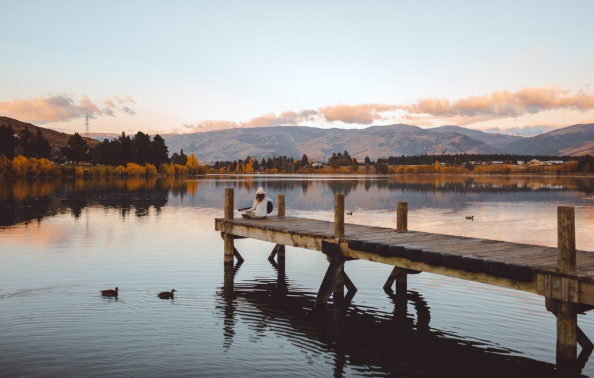
Cameras positioned toward the water can provide broad scenic views. Depending on the time of day and season, viewers may see calm water, waves, boats, changing skies, forested shorelines, or snow-covered surroundings.
Different bays can also have noticeably different appearances. A camera facing one protected bay may show relatively calm water while another location experiences stronger wind.
Resort and Marina Activity
Some cameras are positioned near resorts or other developed areas. These views can provide a sense of activity around docks, shorelines, and recreational areas.
For travelers, this can be an enjoyable way to get a preview of the destination before arriving.
Wildlife Cameras
Wildlife-focused cameras offer a different experience.
The Vermilion Lake Association’s Live LoonCam has followed a loon family during the nesting and chick-rearing season. In 2026, the project documented two chicks after they hatched in June and continued observing the family as the young birds became more independent.
The project has operated seasonally since 2021 and is designed to observe loon behavior while protecting the privacy of the nesting location.
Using Webcams to Check Weather Conditions
One of the most practical reasons to check a camera is to see whether the current visual conditions match the forecast.
For example, a weather report might indicate partly cloudy conditions. A camera can show whether the sky is mostly clear, heavily covered, or changing rapidly.
Look for These Visual Clues
When viewing a camera, pay attention to:
Water: Look for waves, ripples, or unusually rough conditions.
Visibility: Distant shorelines and trees can provide clues about atmospheric clarity.
Clouds: Watch whether clouds are scattered, dense, or moving across the area.
Snow: Snow on roads, docks, roofs, or surrounding landscapes can provide a visual indication of recent accumulation.
Wind: Trees, flags, water movement, and other objects can help provide a general impression of wind.
However, visual observations should not replace official weather information, especially when making safety-related decisions.
Comparing Multiple Camera Locations
One of the biggest advantages of having several cameras is the ability to compare different areas.
A camera in one bay may show conditions that look completely different from another location.
| Camera Perspective | What It Can Help You Observe |
|---|---|
| Open-water view | General lake and sky conditions |
| Bay view | Water movement and shoreline scenery |
| Resort view | Visitor and recreational activity |
| Marina view | Boats and dock conditions |
| Wildlife camera | Seasonal animal behavior |
| Elevated view | Broader landscape and visibility |
Looking at more than one camera can give you a more complete impression of the region.
Seasonal Changes Around the Lake
Lake Vermilion changes dramatically throughout the year, making webcams especially interesting for seasonal viewing.
Spring
Spring marks the transition from winter conditions to open-water recreation.
As ice disappears and temperatures rise, visitors can watch the landscape gradually change. Wildlife activity also becomes increasingly noticeable.
The Vermilion Lake Association reported that Minnesota DNR declared Lake Vermilion’s 2026 official ice-out date as April 28, with loons arriving the following day.
Summer
Summer is one of the busiest periods around the lake.
Boats, fishing activity, visitors, wildlife, and outdoor recreation create a constantly changing scene. A camera can provide a relaxing way to check the lake before planning a day outdoors.
The summer season is also important for the area’s loon population, which makes wildlife-focused livestreams particularly interesting.
Fall
Autumn can produce some of the most scenic views.
The surrounding forests transition through different shades of yellow, orange, and red. Cooler weather and changing daylight can create dramatic views over the water.
A camera can be useful for people planning fall photography or simply wanting to monitor the progression of seasonal color.
Winter
Winter transforms Lake Vermilion into a dramatically different landscape.
Snow and ice can cover the surrounding forests and waterfront, while outdoor recreation changes accordingly.
For winter travelers, camera views can provide a quick visual check of current conditions, although official road and weather information should always be consulted before traveling.
Using Cameras for Trip Planning
A webcam can be incorporated into a simple travel-planning routine.
Before Leaving Home
Check a few camera locations before starting your trip. This can give you a general impression of current conditions.
If one camera shows rain while another appears clear, it is a reminder that local weather may vary across the region.
Before Outdoor Activities
If you plan to spend the day fishing, hiking, sightseeing, boating, or photographing the landscape, a camera can help you understand what the area currently looks like.
For activities involving water or severe weather risks, however, use official forecasts and advisories rather than relying solely on visual observations.
Before Photography
Photographers can use cameras to observe:
- Cloud patterns
- Water conditions
- Snow coverage
- Seasonal foliage
- Sunrise conditions
- Sunset conditions
- General visibility
This can help determine whether current conditions are promising for outdoor photography.
Webcams vs. Weather Forecasts
Webcams and forecasts serve different purposes.
A forecast focuses on present and expected atmospheric conditions. A camera shows the appearance of one specific location at a particular moment.
The two work best together.
| Information Source | Main Purpose |
|---|---|
| Webcam | Visual snapshot of a location |
| Weather forecast | Current and expected weather |
| Radar | Tracking precipitation |
| Marine forecast | Water and wind information |
| Road reports | Driving conditions |
| Local information | Recreation and area updates |
Using several sources provides a more complete picture than depending on one alone.
Important Things to Remember About Live Cameras
Although cameras are useful, they have limitations.
A Camera Shows Only One Location
Lake Vermilion is a large and geographically varied destination. Conditions visible at one camera may not represent another part of the lake.
This is why multiple camera views can be valuable.
The Image May Not Be Continuous
Some cameras provide continuous video, while others periodically refresh images. Always consider the camera’s update frequency and timestamp when available.
Cameras Are Not Safety Tools
A calm-looking lake on a camera does not guarantee safe boating conditions.
Likewise, a clear-looking road does not necessarily mean every nearby route is safe.
Always consult appropriate official information before making safety-sensitive decisions.
Wildlife Viewing Through Cameras
Wildlife livestreams can provide a fascinating way to observe animals without disturbing them.
The Vermilion Lake Association’s loon project is designed around this principle. The organization has intentionally kept the exact nest location unidentified to protect the loon family and nearby residents.
The project has also documented seasonal behavior, including nesting, hatching, feeding, swimming, and chick development.
This makes a wildlife camera useful not only for entertainment but also for education and conservation awareness.
Why Lake Vermilion Is Worth Watching
The lake’s natural setting gives webcam viewers plenty to observe.
According to the Minnesota DNR, Lake Vermilion features rocky shorelines bordered by forests of pine, aspen, and birch. Its waters also support a diverse fish community, making the area popular for fishing and other outdoor recreation.
The combination of water, forest, wildlife, changing weather, and seasonal activity means that a camera view can look significantly different from one day to the next.
For someone who has visited the lake before, webcams can also provide a nostalgic connection to the area between trips.
Practical Tips for Getting the Most From Webcam Views
Keep these suggestions in mind when using local cameras:
- Check more than one camera when possible.
- Look for the most recent timestamp.
- Compare visual conditions with the weather forecast.
- Remember that conditions vary across different bays.
- Use cameras to plan photography and sightseeing.
- Check official marine information before boating.
- Check official road information during winter weather.
- Watch seasonal cameras during spring and summer for wildlife activity.
- Do not assume that a camera view represents the entire lake.
- Return to the cameras at different times of day for changing scenery.
Key Points to Remember
A Lake Vermilion camera can be useful for both practical planning and scenic enjoyment.
- Multiple cameras provide views from different areas.
- Resort webcams can show local scenery and recreational activity.
- Wildlife cameras offer seasonal views of loon behavior.
- Visual conditions can complement, but not replace, weather forecasts.
- Water conditions may differ significantly between bays.
- Summer provides abundant recreational activity.
- Fall offers changing foliage and scenic landscapes.
- Winter cameras can help show snow and ice conditions.
- Always check official information for safety decisions.
- Cameras can be useful for photography, trip planning, and casual viewing.
Final Thoughts
Live cameras offer an easy way to experience Lake Vermilion before, during, or between visits. With multiple viewpoints available around bays, resorts, and wildlife areas, viewers can see how the landscape changes throughout the day and across the seasons.
For travelers, these cameras can provide useful visual context before heading outdoors. For anglers, photographers, nature enthusiasts, and former visitors, they can also provide an enjoyable connection to the lake.
The most effective approach is to treat webcams as one part of a broader information-gathering process. Combine what you see on camera with weather forecasts, transportation information, and appropriate safety advisories. That way, you can enjoy the scenery while making better-informed plans.
Frequently Asked Questions
1. What can I see on a Lake Vermilion webcam?
Depending on the camera, you may see lake water, bays, shorelines, boats, resorts, changing weather, seasonal scenery, and wildlife.
2. Are there multiple cameras around the lake?
Yes. Several camera views are available from different locations, including views of Big Bay, Wolf Bay, Pike Bay, Norwegian Bay, Spring Bay, and other areas.
3. Can webcams help with trip planning?
Yes. They can provide a visual impression of current conditions and scenery. For weather and safety decisions, they should be used alongside official forecasts and advisories.
4. Is there a wildlife camera at Lake Vermilion?
Yes. The Vermilion Lake Association operates a seasonal Live LoonCam project that follows loon activity and has documented nesting and chick-rearing.
5. Can I use a webcam to determine whether it is safe to go boating?
No. A camera provides only a visual snapshot. Boaters should consult official marine forecasts, weather information, and local safety guidance before going on the water.