Septic Tank vs. Sewer: Major Differences
Moving into a new home is always exciting. But have you thought about what happens when you flush the toilet? Most people don’t until something breaks. You either have a city sewer or a private system needing a reliable septic tank service.
Knowing the difference will enable you to be a wise homeowner. In one case, you rely on the municipality, but in another case, you take charge of everything. This will have implications for your finances, your duties, and even maintenance of your yard.
City Sewer Systems
For the homeowner, city sewers are pretty simple. Waste flows from your house into a large pipe that connects to a massive underground network. The city handles the heavy lifting and the treatment plants.
Convenience: You don’t have to worry about maintenance schedules.
Costs: You pay a monthly bill, usually bundled with your water usage.
Reliability: Systems are designed to handle high volumes of waste.
Freedom: You can usually use as much water as you want without worrying.
If a pipe breaks in the street, it’s the city’s job to fix it. You just have to worry about the line on your own property. It feels hands-off, but those monthly bills add up over several years.
Private Septic Systems
Septic systems are completely different. You are in charge of your own waste management. Everything stays on your property in a large tank buried in your yard. It’s a self-contained ecosystem that breaks down waste naturally.
Autonomy: You aren’t reliant on city infrastructure for daily operations.
No Sewer Charges: You do not need to pay for municipal utilities each month.
Responsibility: You will need to monitor what you put into the pipes to prevent clogs.
Maintenance: All maintenance is your responsibility.
Having a septic tank means you will have to take care of what you put into it. If you don’t take care of it, you’ll be dealing with a very messy and expensive backup.
The Maintenance Reality
Owning a septic system requires a bit of discipline. You cannot treat it like a bottomless pit. If you neglect the tank, solids will build up and eventually reach your drain field, which is a total nightmare.
Pumping: Tanks need to be emptied every three to five years.
Education: It is important to educate your family on what can and cannot be flushed.
Surveillance: Watch for wet areas or odors in your yard.
Professional Assistance: Inspections can prevent your system from failing.
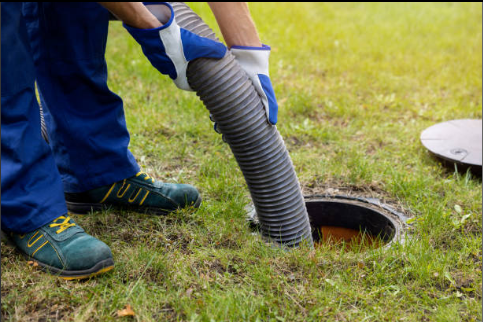
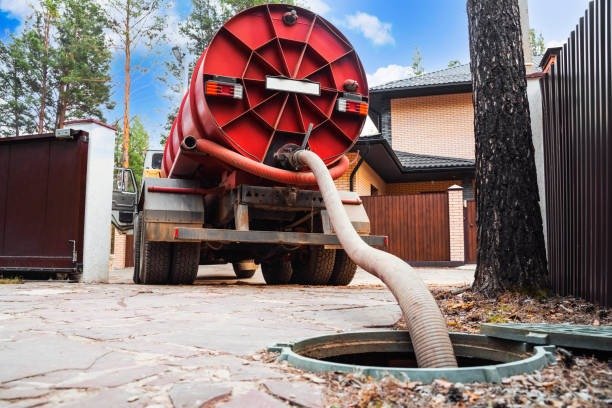
Booking a professional septic tank service will give you peace of mind. They have the right equipment to get deep into the tank and remove the sludge you simply can’t handle on your own.
Comparing Costs Over Time
Sewer systems have predictable, recurring costs. You get a bill, pay it, and move on. Septic systems have low day-to-day costs, but you have to save for inevitable “big-ticket” repairs.
Sewer: High monthly utility costs, but low maintenance anxiety.
Septic: No monthly fees, but occasional maintenance is mandatory.
Replacement: Replacing a failing drain field can cost thousands of dollars.
Value: A well-maintained septic system does not negatively impact home value.
One has to decide whether they prefer the “pay-as-you-go” method or the “saving-for-a-rainy-day” approach. There is no inherently superior method, only the way one prefers to handle money.
Making the Right Choice
Sometimes you don’t have a choice. If you live in the suburbs or the city, you are likely connected to the main line. If you are out in the country, you are almost certainly on a septic system.
If you are buying a home, always get a specialized inspection. A sewer line camera scope is a must for city homes. For country homes, ensure the tank is in good condition before you sign the closing papers.
The experts at Cora Environmental have seen many systems neglected for years. They often find that homeowners didn’t realize they needed to pump the tank until sewage was backing up into their showers.
Don’t wait for a disaster. Being proactive is the only way to avoid the worst problems a homeowner can face. Keep an eye on your usage and don’t skip your scheduled maintenance visits.
Regular septic tank service is like changing the oil in your car. It’s a small price to pay to keep the engine—or in this case, the tank—running for another decade without any major drama.
FAQs
How often do I need to have my septic tank pumped?
In general, you need to have your septic tank pumped every three to five years. This is based on the capacity of your tank as well as the number of people living in your house. Large families will generate more waste and will lead to more frequent visits by professionals.
Is it alright to have a garbage disposal with a septic system?
This is not recommended because having a garbage disposal will result in increased solid content in your tank and therefore cause your tank to fill up faster. This will require that you get your tank pumped more often. If you have to use a garbage disposal, make sure that you are very conservative about it.
How can I tell if my septic system is failing?
You need to watch out for slow-running toilets and bathrooms, gurgling noises from your pipes, and any foul odors emanating from your house. Outdoors, you need to check if there is any excess grass or moisture over the drainage field.
Is the city’s sewer better than a septic system?
Neither of them is absolutely “better” in this case. The city’s sewer is more convenient but comes with a monthly payment. With the septic system, you have the advantage of being independent and without any monthly utilities bill, but you also need to take some responsibility in handling it. Your decision will depend on the location of your house.
Can I do it myself if there is an issue with my septic?
Yes, you can do simple things such as water conservation, but when it comes to repairing something, it would be safer to hire someone because there are a lot of harmful bacteria and gases in septic tanks.