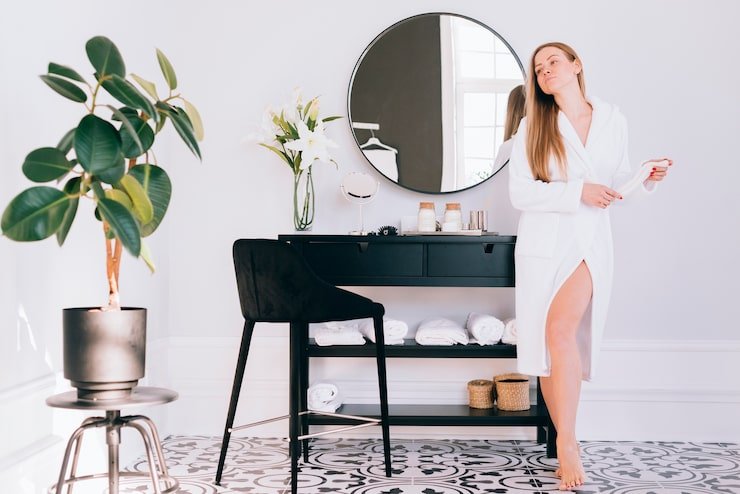
How to Choose the Perfect bedroom dresser with mirror
A well-designed bedroom combines comfort, organization, and attractive furniture that reflects your personal style. One piece that can bring all three elements together is a bedroom dresser with mirror, which provides convenient storage for clothing, accessories, and everyday essentials while creating a dedicated space for getting ready. Whether you are furnishing a compact apartment, updating a guest bedroom, or designing a spacious master suite, the right dresser can improve functionality and make your room feel more complete. Choosing the appropriate size, material, mirror design, and storage configuration helps you create a practical and visually balanced bedroom.
What Is a Bedroom Dresser With a Mirror?
A bedroom dresser is generally a wide, low furniture unit with drawers designed to store clothing and personal belongings. When paired with a mirror, it becomes a functional dressing area where you can organize accessories, prepare for the day, and check your appearance.
Some dressers come with a matching mirror attached to the frame, while others are sold with a separate mirror that can be mounted on the wall. You can also place an independently purchased mirror above a dresser you already own.
This combination offers several advantages. It creates additional storage, reduces the need for separate furniture, and provides a convenient surface for frequently used items. Depending on the design, the dresser can also become a decorative focal point in the bedroom.
The best choice depends on your available space, storage needs, preferred interior style, and how you plan to use the mirror.
Benefits of Choosing a Dresser With a Mirror
1. Convenient Everyday Grooming
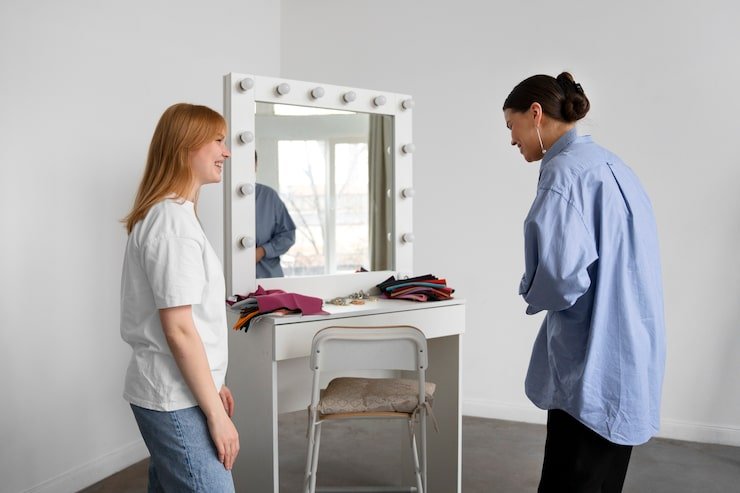
A mirror positioned above a dresser provides a convenient place to get ready in the morning or prepare for an evening event. You can keep grooming products, hair accessories, jewelry, and other essentials organized in nearby drawers.
For people who prefer a simple daily routine, combining storage and a mirror in one location makes the bedroom easier to use.
2. Additional Storage Space
Dressers help keep clothing and accessories organized without requiring a larger wardrobe. Depending on the configuration, drawers can hold folded shirts, undergarments, socks, scarves, belts, jewelry, and other personal items.
A dresser is particularly useful when wardrobe shelves are already full or when you want frequently used belongings to remain easily accessible.
3. A More Coordinated Bedroom
A matching dresser and mirror can create a cohesive furniture arrangement. The finish, frame, handles, and proportions can complement the bed, nightstands, wardrobe, and other decorative elements.
For a coordinated appearance, you can choose matching furniture or combine different pieces that share similar colors, materials, or design details.
4. A Brighter and More Open Appearance
Mirrors reflect light from windows and lighting fixtures, potentially making a bedroom feel brighter and more spacious. This can be especially helpful in smaller rooms with limited natural light.
The effect depends on the mirror’s placement and what it reflects. Positioning the mirror where it catches daylight or a pleasant part of the room can improve the overall appearance.
5. Flexible Styling Options
The top surface of a dresser can display a small lamp, decorative tray, framed photograph, vase, or a few personal accessories.
This allows you to personalize the room without adding multiple pieces of furniture. Keeping the surface relatively uncluttered helps the mirror remain useful and preserves a calm bedroom atmosphere.
Popular Dresser and Mirror Styles
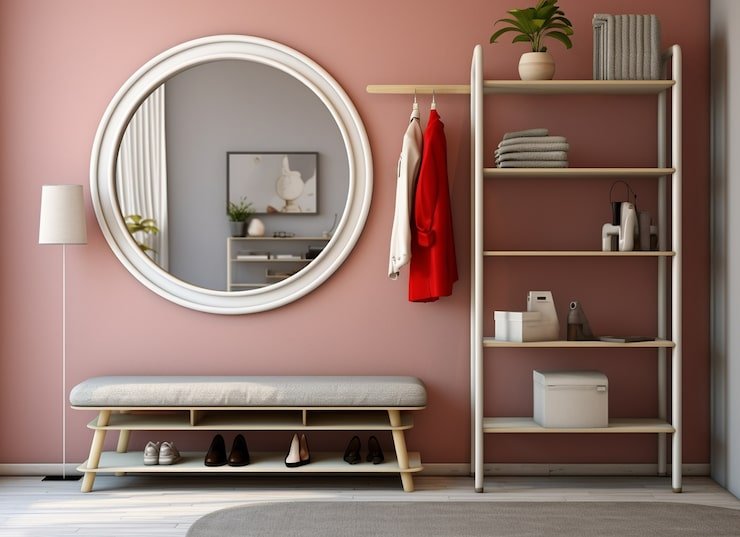
Different designs suit different interiors. Understanding the main styles can help you choose furniture that works with your existing bedroom decor.
Modern and Minimalist Designs
Modern dressers typically feature clean lines, simple drawer fronts, understated handles, and restrained decorative details. Common finishes include white, black, gray, natural wood, and muted neutral tones.
A minimalist design works well in contemporary bedrooms because it creates a neat appearance without drawing attention away from the rest of the room.
Choose a rectangular mirror with a slim frame for a coordinated look. Handle-free drawers or subtle metal hardware can provide an especially streamlined finish.
Traditional Wooden Dressers
Traditional wooden dressers often feature warm finishes, decorative handles, shaped edges, and more detailed craftsmanship. They can bring a timeless appearance to classic bedrooms.
Solid wood options may offer distinctive grain patterns and long-term durability when properly constructed and maintained. Wood tones such as walnut, oak, and darker brown can complement traditional beds and wardrobes.
A framed mirror that matches the dresser’s finish helps create a unified furniture set.
White Dressers With Mirrors
White furniture is a popular option for bedrooms with light-colored walls, neutral bedding, or a soft contemporary style.
A white dresser can create a clean visual appearance and coordinate with a wide range of decorative colors. Pair it with silver hardware for a modern look or gold-tone accents for a warmer, more decorative finish.
White finishes may show dirt, scratches, or discoloration more visibly than some darker finishes, so consider the cleaning requirements before choosing one.
Rustic and Farmhouse Designs
Rustic dressers emphasize natural textures, visible wood grain, distressed finishes, and simple hardware. These details create a relaxed, welcoming atmosphere.
They work well with linen bedding, woven baskets, warm lighting, and natural decorative materials.
A wooden-framed mirror can reinforce the rustic style, while a simpler mirror may provide a more contemporary contrast.
Glamorous and Mirrored Furniture
Some dressers feature mirrored panels, polished metal accents, decorative handles, or glossy finishes. These designs can suit bedrooms that emphasize luxury and visual impact.
A glamorous dresser can become a statement piece, especially when paired with neutral bedding and carefully selected lighting.
However, reflective surfaces may show fingerprints and dust more easily. Consider maintenance and the amount of decorative detail already present in the room before selecting an elaborate design.
Vintage and Mid-Century Styles
Vintage-inspired dressers can introduce character through tapered legs, distinctive handles, curved edges, and warm wood tones.
Mid-century designs often feature straightforward shapes and functional storage with relatively minimal ornamentation.
These styles can be paired with modern mirrors to create a balanced mix of old and new. If you are purchasing a secondhand piece, inspect the drawer runners, joints, finish, and mirror condition before making a decision.
Comparison of Dresser Styles
| Style | Main characteristics | Best suited for |
|---|---|---|
| Modern minimalist | Clean lines and simple hardware | Contemporary bedrooms |
| Traditional wooden | Warm finishes and decorative details | Classic interiors |
| White dresser | Light finish and versatile appearance | Bright, neutral bedrooms |
| Rustic farmhouse | Natural textures and visible grain | Cozy, relaxed spaces |
| Glamorous mirrored | Reflective surfaces and polished accents | Decorative, luxurious interiors |
| Mid-century | Simple shapes and tapered legs | Retro-inspired or mixed-style rooms |
There is no universally best style. The ideal option should complement your existing furniture, suit your practical needs, and remain appealing as your decorating preferences evolve.
How to Choose the Right Size
Size is one of the most important factors when selecting bedroom furniture. A dresser that is too large can restrict movement, while a small unit may not provide enough storage.
Measure Your Available Wall Space
Measure the width of the wall where the dresser will sit. Account for nearby doors, windows, wardrobes, electrical outlets, and other furniture.
Leave enough space on either side for comfortable access and cleaning. Do not assume a dresser will fit simply because its width is smaller than the wall.
Consider the Depth and Drawer Clearance
The dresser’s depth determines how much floor space it occupies. Remember that drawers extend outward when opened, so you need enough room to stand comfortably in front of the furniture.
Check that an open drawer will not block a doorway or make it difficult to walk between the dresser and the bed.
Check the Total Height
If the mirror is attached, measure the entire unit from the floor to the top of the mirror. This helps you avoid blocking a window or making the furniture look crowded against the ceiling.
For a separate wall-mounted mirror, consider the dresser height and the position of the mirror together. The arrangement should provide a comfortable reflection while looking visually balanced.
Choose Storage Capacity Carefully
Think about what you plan to store. A dresser with several deep drawers may be suitable for clothing, while a smaller unit with shallow compartments may work better for accessories and grooming products.
The number of drawers is not the only consideration. Internal dimensions, drawer construction, and the amount of usable space also matter.
Practical Size Guide
The measurements below are general planning examples rather than fixed standards. Actual furniture dimensions vary by manufacturer and design.
| Dresser category | Approximate width | Suitable use |
|---|---|---|
| Compact dresser | 60–90 cm | Small bedrooms and limited wall space |
| Medium dresser | 100–140 cm | Standard bedrooms with moderate storage needs |
| Wide dresser | 145–180 cm | Spacious bedrooms and larger clothing collections |
| Tall chest of drawers | 45–80 cm | Narrow spaces requiring vertical storage |
Before purchasing, compare the product’s exact dimensions with your room measurements. If the mirror is sold separately, include its width and height in your planning.
Choosing the Best Mirror Design
The mirror influences both the functionality and appearance of the dresser. The right design depends on how you use it and how much wall space is available.
Rectangular Mirrors
Rectangular mirrors are versatile and work with modern, traditional, and minimalist dressers. A horizontal mirror can emphasize the width of the furniture, while a taller vertical design may provide a larger view of your upper body.
For a coordinated arrangement, choose a mirror that is visually proportionate to the dresser rather than one that overwhelms the furniture.
Round Mirrors
Round mirrors introduce softer shapes into bedrooms with straight furniture lines. They can work particularly well with minimalist dressers and contemporary interiors.
A round mirror can also create contrast above a rectangular dresser. Check the diameter carefully to ensure it does not look too small or disproportionately large.
Arched Mirrors
Arched mirrors add a decorative curve while maintaining a relatively simple shape. They can complement modern, transitional, and traditional bedrooms.
Choose a frame that matches the dresser hardware or another finish in the room for a cohesive appearance.
Tri-Fold Mirrors
Tri-fold mirrors use multiple panels, allowing you to view your appearance from different angles. They are often associated with dressing tables and vanity arrangements.
They can be useful for grooming and outfit selection, but they generally need sufficient width and a stable installation.
LED Mirrors
LED mirrors include integrated lighting designed to illuminate the reflection area. They can be useful for makeup application, grooming, and getting ready in rooms with limited natural light.
Before buying one, check the lighting controls, power requirements, brightness settings, and whether the light color suits your intended use.
Materials and Construction to Consider
The materials used in a dresser affect its appearance, durability, weight, and maintenance requirements.
Solid Wood
Solid wood offers natural grain patterns and can provide long-lasting performance when well constructed. Different wood species vary in hardness, weight, color, and price.
Inspect the joints, drawer construction, finish, and hardware. Good design and workmanship matter as much as the material itself.
Plywood
Quality plywood is made from bonded layers of wood veneer and is widely used in furniture construction. Its performance depends on the grade, thickness, edge treatment, and quality of the manufacturing process.
It can be a practical option for people seeking a balance between structural stability and cost.
MDF and Particleboard
Medium-density fiberboard and particleboard are engineered wood products commonly used in budget-friendly furniture.
They can provide smooth surfaces for painted or laminated finishes. However, resistance to moisture and the quality of the hardware and edge sealing are important considerations.
Avoid placing moisture-sensitive furniture where water can regularly reach the base or drawer edges.
Metal and Glass Details
Metal handles, legs, and decorative frames can give a dresser a contemporary appearance. Glass or mirrored panels can introduce reflective details.
Check that decorative components are securely attached and that exposed edges are finished appropriately.
How to Style a Dresser and Mirror
A thoughtfully styled dresser can make the bedroom feel more organized without creating unnecessary clutter.
Keep the Surface Balanced
Start by placing only a few useful items on the dresser. A small tray, lamp, or decorative object can create visual interest while preserving usable space.
Avoid covering the surface with too many products or accessories, particularly if you use it every day.
Coordinate Colors and Materials
Choose accessories that relate to the dresser, mirror frame, bedding, or other furniture. For example, a natural wood dresser may pair well with cream ceramics and woven storage baskets.
A white dresser can work with soft neutral accessories, while a dark dresser may look attractive with warm metallic details.
Use Lighting Thoughtfully
A table lamp can add warm ambient lighting, while wall lights may illuminate the dressing area without occupying the dresser surface.
If you use an LED mirror, consider how its light interacts with the room’s other lighting sources. Avoid glare that makes the reflection uncomfortable.
Organize Drawers by Purpose
Assign different drawers to clothing categories or everyday accessories. Drawer dividers can help keep smaller items organized and make them easier to find.
Keep frequently used items in accessible drawers and reserve deeper storage for bulkier belongings.
Common Mistakes to Avoid
Buying before measuring: Incorrect measurements can lead to blocked walkways, doors, or windows.
Choosing style over storage: An attractive dresser may not be practical if its drawers are too shallow or too small.
Ignoring mirror proportions: A mirror that is too large or too small can make the entire arrangement feel unbalanced.
Overlooking construction quality: Inspect drawer slides, joints, handles, and the stability of the mirror attachment.
Creating too much surface clutter: Excessive decoration reduces the dresser’s usefulness and makes the room look untidy.
Ignoring installation safety: Heavy dressers and mirrors should be assembled and secured according to the manufacturer’s instructions. Use appropriate wall anchors or anti-tip hardware where required, especially in homes with children.
Key Points to Remember
- A dresser and mirror can combine clothing storage with a convenient grooming area.
- Choose a design that complements the bedroom’s existing furniture.
- Measure wall width, furniture depth, drawer clearance, and total mirror height before purchasing.
- Consider drawer capacity and internal dimensions rather than focusing only on appearance.
- Solid wood, plywood, MDF, and particleboard each have different construction and maintenance characteristics.
- Rectangular, round, arched, tri-fold, and LED mirrors suit different needs.
- Keep the dresser surface organized and use suitable lighting.
- Follow installation and anti-tip safety instructions for stable furniture placement.
Final Thoughts
The right dresser can make a bedroom more functional while adding a decorative feature that complements the rest of the space. By combining practical storage with a suitable mirror, you can create a convenient place to organize personal belongings and prepare for the day.
Begin by measuring your room and identifying your storage requirements. Then compare styles, materials, drawer configurations, mirror designs, and construction quality. Think about how the furniture will look alongside your bed and wardrobe, but make sure it also supports comfortable everyday use.
A well-chosen dresser does not need to be elaborate or expensive. The most successful option is one that fits your space, meets your needs, and provides a durable, attractive addition to your bedroom.
Frequently Asked Questions
1. What should I look for when buying a dresser with a mirror?
Consider the dimensions, storage capacity, material, drawer quality, mirror design, finish, stability, and overall compatibility with your bedroom layout.
2. Is a dresser with an attached mirror better than a separate mirror?
An attached mirror offers a coordinated set, while a separate mirror provides more flexibility in placement and style. The better choice depends on your room layout and whether you want to move or replace the mirror independently.
3. Which dresser material is best for long-term use?
Well-constructed solid wood and quality plywood can offer good durability. Performance also depends on workmanship, hardware, finish, moisture exposure, and how the furniture is maintained.
4. How do I choose the right mirror size for my dresser?
Measure the dresser width and available wall height first. Select a mirror that looks proportionate to the furniture and provides a comfortable reflection without obstructing windows or other features.
5. How can I make a small bedroom look larger with a dresser and mirror?
Choose a compact dresser with a light or visually simple finish, keep the top surface uncluttered, and position the mirror to reflect natural light or an open part of the room. Ensure that the furniture does not obstruct the main walking path.

One thought on “How to Choose the Perfect bedroom dresser with mirror”