How to Choose the 5pc dining sets for Your Home
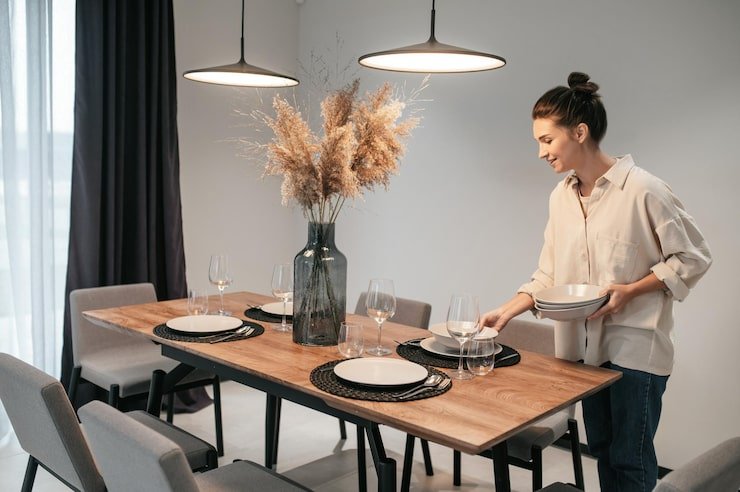
A dining table is more than a place to enjoy meals. It is where families gather, conversations begin, guests feel welcome, and everyday routines become memorable moments. Choosing the right 5pc dining sets can help you create a comfortable and stylish dining area without taking up unnecessary space. These coordinated furniture sets typically include one dining table and four chairs, making them a practical option for small families, couples, apartments, and compact dining rooms.
With different table shapes, materials, colors, and chair designs available, finding the right option requires more than selecting an attractive appearance. You should consider room dimensions, seating comfort, durability, maintenance, and how the furniture will complement your existing interior. Understanding these factors can help you choose a set that fits your lifestyle and provides lasting value.
What Makes a Five-Piece Dining Set a Practical Choice?
A coordinated dining set generally consists of a table and four matching chairs. Because the main pieces are designed to work together, you do not have to spend additional time finding separate chairs that match the table’s height, finish, or overall style.
One of the biggest advantages is space efficiency. A four-person arrangement can fit comfortably into many apartments, breakfast areas, kitchens, and smaller dining rooms when the dimensions are selected carefully.
Another benefit is visual consistency. Matching furniture creates a unified appearance, particularly in open-plan homes where the dining area shares space with the kitchen or living room.
These sets are also versatile. You can use them for family meals, morning coffee, casual conversations, homework, or occasional remote work. Choosing comfortable chairs and a durable tabletop makes the furniture useful beyond mealtimes.
Before buying, however, measure the room and consider how many people regularly use the table. A four-chair arrangement is ideal for many households, but families that frequently entertain larger groups may prefer an expandable table or additional seating.
Popular Styles for Different Interiors
The right style should complement your home’s existing furniture, flooring, lighting, and color palette. Consider the overall atmosphere you want to create before comparing individual designs.
Modern and Minimalist Dining Sets
Modern designs feature clean lines, simple shapes, and understated finishes. Common choices include black metal frames, neutral upholstery, white tabletops, and natural wood surfaces.
These designs are especially suitable for contemporary apartments and homes with uncluttered interiors. Their simple appearance makes it easier to coordinate the dining area with nearby furniture.
For a minimalist look, choose a table with a streamlined base and chairs with clean silhouettes. Keep decorative accessories limited so the furniture remains the main feature.
Traditional Wooden Dining Sets
Wooden designs bring warmth and a timeless appearance to a dining room. Depending on the wood and finish, they can suit traditional, farmhouse, rustic, or transitional interiors.
Sheesham, teak, acacia, oak, and other wood options offer different grain patterns, colors, and price points. Solid wood can be attractive for buyers who value natural texture and repairability, while well-made engineered wood can provide a more budget-conscious alternative.
Traditional designs often pair well with upholstered seats, curved chair backs, and warm lighting. If your room already contains several wooden furniture pieces, compare their undertones to avoid finishes that clash.
Glass-Top Dining Tables
Glass tabletops create a light, contemporary appearance. Their transparent surface allows more of the room to remain visually visible, which may help a compact dining area feel less crowded.
Glass can work well with metal legs, wooden bases, and modern chairs. However, fingerprints, food marks, and smudges may be noticeable, so regular cleaning is important.
Check that the tabletop is designed for dining use and that its edges and supporting structure are suitable for everyday household activity.
Industrial and Mixed-Material Designs
Industrial-inspired furniture combines materials such as metal, wood, and textured finishes. These designs can create a distinctive appearance in loft-style apartments, contemporary homes, and casual dining spaces.
A dark metal frame paired with a warm wood surface creates contrast without requiring elaborate decoration. To maintain a balanced look, coordinate the furniture with one or two existing room accents, such as pendant lighting or shelving.
Choosing the Right Table Shape
The shape of a dining table affects how people sit, move, and interact around it. The best option depends on the dimensions of your room and the location of nearby doors, walls, and furniture.
| Table shape | Main advantage | Best suited for |
|---|---|---|
| Rectangular | Familiar layout and useful surface area | Narrow dining rooms and open-plan spaces |
| Square | Balanced seating arrangement | Compact, square-shaped rooms |
| Round | No sharp corners and easier conversation across the table | Breakfast areas and smaller dining spaces |
| Oval | Softer outline with an elongated surface | Rooms needing a less angular appearance |
Rectangular tables are popular because they can fit against a wall when not in use, although chairs still need adequate clearance. Square tables create a balanced arrangement but may use space less efficiently in narrow rooms.
Round tables can make conversation easier because everyone faces toward the center. They can also help circulation in certain layouts, though a wide round table may require more floor space than expected.
Oval designs combine an elongated surface with rounded ends. They can soften a room dominated by straight furniture lines while still providing a practical dining area.
How to Measure Your Dining Area
Measurements are among the most important factors to consider before purchasing furniture. A table may fit within the room’s dimensions but still leave insufficient space for people to pull out their chairs.
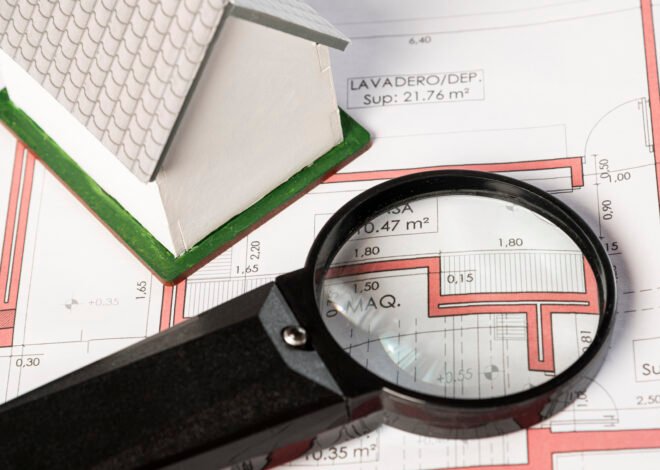
Measure the usable length and width of the dining area, including the space occupied by nearby cabinets, kitchen counters, doorways, and other furniture.
As a general planning guideline, aim to leave around 90 centimetres between the table edge and nearby walls or furniture wherever practical. This allows room for chairs to move and makes sitting down more comfortable. More clearance may be necessary if people need to walk behind occupied chairs.
The following dimensions are approximate planning examples, not fixed product standards.
| Dining area | Approximate table dimensions | Planning advice |
|---|---|---|
| Compact | 75–90 cm square or a small rectangular table | Prioritize chair movement and clear walkways |
| Medium | 100–120 cm long rectangular table | Check clearance on every seating side |
| Larger | 120 cm or longer, depending on design | Consider additional serving space and circulation |
Always use the manufacturer’s actual dimensions when comparing products. Chair width, table-leg placement, and the shape of the base can influence how comfortably four people sit together.
Also measure the route through your home. The table and chairs must pass through entrance doors, stairways, hallways, or elevators during delivery.
Understanding Materials and Durability
The material affects the appearance, maintenance requirements, and expected lifespan of your furniture. A good choice should reflect your budget and how frequently the table will be used.
Solid Wood
Solid wood offers natural grain, warmth, and the possibility of refinishing certain surfaces. It can be a suitable option for households that use their dining table every day.
Different species vary in hardness, weight, color, and price. Construction quality matters, so inspect joints, leg stability, and the finish rather than choosing based on wood type alone.
Use coasters and placemats to help prevent water rings, heat marks, and scratches. Follow the manufacturer’s cleaning recommendations to preserve the finish.
Engineered Wood
Engineered wood products are commonly used for affordable dining furniture. Depending on the construction and surface finish, they can provide an attractive appearance without the cost of solid timber.
Check the edges, joints, tabletop support, and hardware carefully. Protect the surface from standing water, particularly around seams and exposed edges.
A well-constructed product can offer good value, but quality differs between manufacturers and product ranges.
Metal
Metal frames can provide a modern appearance and support a variety of tabletop materials. They are frequently used in industrial, minimalist, and contemporary designs.
Check that the frame feels stable and that the joints do not wobble. Inspect the finish for chips or exposed areas, especially if the furniture will be moved regularly or used in a busy household.
Glass
Glass is attractive for buyers who prefer a sleek, open appearance. It requires regular wiping and careful handling to keep it looking clean.
Check the product specifications for the type of glass, supported weight, edge treatment, and maintenance instructions. Avoid placing excessive weight on the surface or using the table in ways that conflict with the manufacturer’s guidance.
Finding Comfortable Dining Chairs
The table may attract your attention first, but the chairs determine how comfortable the set feels during everyday use.
Start by checking the seat height against the tabletop. There should be enough space between the seat and the underside of the table for comfortable leg movement. If possible, test the chairs before buying.
Consider the following features:
- Back support: A well-shaped backrest can make longer meals more comfortable.
- Seat padding: Upholstered seats may feel softer, while wooden or molded seats can be easier to wipe clean.
- Chair width: Ensure that all four chairs fit around the table without forcing people to sit too close together.
- Armrests: Armchairs can provide additional comfort but may not slide completely under the tabletop.
- Stability: Check the legs, joints, and overall balance before purchase.
If you have children or frequently serve meals that may spill, practical upholstery and easy-to-clean surfaces can make daily maintenance simpler.
Color and Finish Ideas for a Stylish Dining Room
Color influences how the furniture looks within the room. The most effective choice is usually one that complements existing finishes instead of competing with them.
Light oak, beige, cream, and white can create a bright, relaxed appearance. These colors work well with light walls, natural fabrics, and contemporary interiors.
Dark brown, walnut, and black finishes can create a more dramatic look. They may suit rooms with warm lighting, contrasting wall colors, or other dark furniture accents.
Mixed finishes provide another option. A wooden tabletop with black legs can balance warmth and modern design, while neutral upholstered chairs can soften the overall appearance.
For a cohesive dining space, coordinate the furniture with two or three existing colors. You do not need to match every item exactly. Complementary finishes can create a more natural and interesting interior.
A rug placed beneath the table can define the dining zone in an open-plan room. Choose one large enough to allow chairs to remain on the rug when pulled out, and select a material that is practical for cleaning food crumbs and spills.
How to Maintain Your Dining Furniture
Regular maintenance helps preserve the appearance and usability of dining furniture.
Wipe the tabletop after meals using a cloth suitable for its material. Avoid harsh chemicals unless the manufacturer specifically recommends them. Use placemats, coasters, and heat-resistant trivets to reduce everyday wear.
For wooden furniture, keep moisture under control and clean spills promptly. Avoid dragging heavy objects across the surface.
For glass, use a suitable glass cleaner and a soft cloth. For metal frames, remove dust regularly and inspect the finish for damage.
Check screws, bolts, and chair joints periodically, particularly after assembly or when the furniture is moved. Tighten hardware according to the manufacturer’s instructions rather than overtightening it.
If chairs have upholstered seats, follow the fabric care instructions. Vacuuming regularly and addressing spills promptly can help keep the fabric looking fresh.
Common Mistakes to Avoid When Buying
One common mistake is choosing furniture based entirely on appearance. Attractive photographs cannot show whether the chairs are comfortable or whether the table will fit your room.
Another mistake is ignoring clearance. If the chairs cannot move back comfortably, even a beautiful set may become frustrating to use.
Do not overlook construction quality. Examine the tabletop, frame, legs, joints, and chair connections. Read product specifications carefully and look for clear information about materials, dimensions, assembly, and warranty coverage.
It is also important to consider your household’s actual needs. A small family may not require a large table, while frequent hosts may benefit from an expandable design or extra chairs that can be stored separately.
Finally, calculate the total purchase cost. Delivery, assembly, taxes, protective accessories, and any additional seating may affect your budget.
Key Points to Remember
- Choose a table size that fits your room and allows comfortable chair movement.
- Consider rectangular, square, round, or oval designs according to your layout.
- Compare material quality, frame stability, joints, and tabletop finishes.
- Check chair height, back support, width, and ease of cleaning.
- Coordinate the furniture’s color with existing decor without requiring an exact match.
- Measure doorways and hallways before arranging delivery.
- Review assembly requirements, warranty terms, and total costs before purchasing.
Final Thoughts
The right dining furniture should make everyday meals comfortable while enhancing the appearance of your home. By considering room dimensions, table shape, materials, chair comfort, and maintenance requirements, you can select a coordinated arrangement that suits your lifestyle and budget.
Take time to compare product measurements and construction details before making your final decision. A thoughtfully chosen set can create a welcoming place for family meals, casual conversations, and special occasions while keeping your dining area practical and attractive.
FAQs
1. What is included in a five-piece dining set?
A typical five-piece dining set includes one dining table and four chairs. However, product configurations can vary, so check the manufacturer’s description before purchasing.
2. Is a four-chair dining set suitable for a small apartment?
Yes. It can be a practical choice for a compact apartment, kitchen dining area, or breakfast nook. Measure the available space and allow enough clearance for chairs to move comfortably.
3. Which dining table material is easiest to maintain?
The easiest material depends on the finish and your household’s needs. Smooth, sealed surfaces are generally convenient to wipe clean, while glass requires frequent cleaning to remove fingerprints. Always follow the manufacturer’s care instructions.
4. How much space should I leave around a dining table?
Around 90 centimetres of clearance is a useful general planning target between the table edge and nearby walls or furniture. Additional space may be needed for people to walk behind seated guests.
5. How can I make a dining area look more attractive?
Coordinate the table and chairs with the room’s existing colors, use suitable lighting, and keep the tabletop relatively uncluttered. A practical rug, simple centerpiece, or matching storage furniture can help create a more coordinated appearance.